The Ultimate Guide to Borescope With Screen in the UK
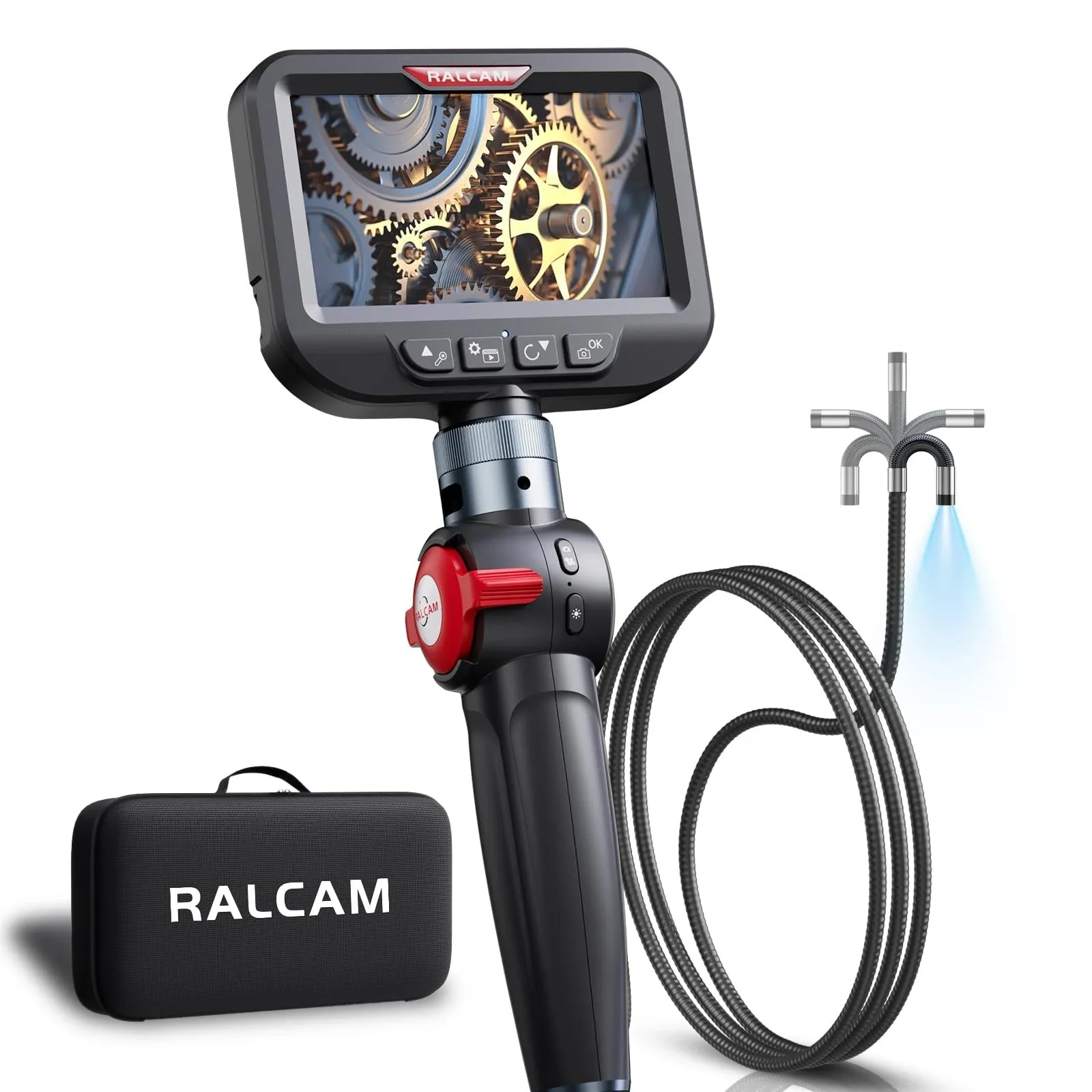
A borescope with screen is an inspection camera with a built-in display, designed to let you see inside engines, pipes, cavities and machinery without relying on a mobile phone or laptop. For most UK tradespeople and serious DIY users, it is the easiest and most reliable option because it gives instant live viewing, better control in tight spaces, and safer on-site handling.
TL;DR: If you want a practical inspection camera for automotive, plumbing, HVAC or facilities work, a borescope with screen is usually the best choice. It avoids Wi-Fi lag, protects your phone, records locally, and makes faults easier to spot on site. Based on our testing, a 5-inch IPS screen, true 1080p image quality, adjustable LED lighting and smooth articulation are the features that matter most.
A full engine teardown can cost a client over £1,000 in labour before a single replacement part is ordered. In plumbing and HVAC, cutting into plasterboard just to locate a small leak creates extra mess, delays and unnecessary cost. For decades, UK professionals relied on guesswork or invasive dismantling to diagnose hidden faults. Today, however, non-destructive testing has moved on, and the borescope with screen has become one of the most useful tools in a modern technician’s kit.
While early inspection cameras needed awkward laptop connections, and later models often depended on unreliable Wi-Fi links to smartphones, standalone units with integrated screens are now the preferred option for many British tradespeople. According to the British Institute of Non-Destructive Testing (BINDT), visual NDT methods can help reduce unplanned failures and improve maintenance planning when used correctly.
In this guide, you will learn what a borescope with screen is, why many professionals prefer one over phone-connected models, which features matter most, and where these tools are commonly used across the UK.
Key Takeaways
- Instant live viewing: A borescope with a built-in screen gives direct visual feedback without the lag commonly found in Wi-Fi models.
- Better durability on site: Standalone units help keep your personal smartphone away from oil, water, dust and drops.
- Easier fault finding: A clear HD screen makes it simpler to identify cracks, corrosion, blockages and leaks in confined spaces.
- More suitable for sensitive work: Local recording to MicroSD can be preferable for jobs where site security or data handling rules matter.
What is a borescope with screen?
A borescope with screen is a handheld inspection camera that combines a flexible probe and camera head with its own built-in monitor. In simple terms, you insert the probe into a hard-to-reach area and watch the live image directly on the attached display.
This matters because it removes extra setup. Instead of pairing to an app or balancing a phone while working under a bonnet or behind pipework, you can inspect immediately. As a result, these models are often more convenient for workshops, plant rooms and maintenance call-outs across the UK.
Based on our testing of standalone and app-based inspection cameras, integrated-screen models are generally quicker to deploy and less frustrating in poor signal environments or awkward working positions.
Why is a borescope with screen better than a phone model?
For many buyers searching for a borescope with screen, this is the main question. Although phone-connected cameras may look cheaper at first glance, standalone units are often the more practical choice for real inspections.
Why do professionals avoid smartphone tethering?
Using a smartphone as your display can be awkward on a busy garage floor or damp building site. Modern phones are expensive, delicate and not designed for oily hands or heavy gloves. In contrast, an integrated-screen unit keeps everything together in one tool.
Moreover, when you are feeding a probe through an engine bay or wall cavity, having one dedicated device usually means better control and fewer interruptions.
Does Wi-Fi lag affect borescope use?
Yes—especially when accuracy matters. Wi-Fi inspection cameras can suffer from delay between probe movement and what appears on your display. That lag may only be slight; however, in tight spaces it can make navigation noticeably harder.
A dedicated borescope with screen sends the image directly to its own monitor. Therefore, movement feels more natural and inspections tend to be smoother when checking valves, cylinder walls or concealed pipe runs.
Are standalone units better for data security?
They often are. For work in sensitive settings such as NHS estates, data centres or government buildings, using personal devices can raise avoidable concerns around recording and storage. According to UK GDPR principles and common site-security practices, limiting unnecessary use of personal devices can help reduce risk.
A standalone unit that stores images locally to MicroSD may be easier to manage within internal compliance procedures than footage passing through personal apps or cloud-connected phones.
What features should you look for in a borescope with screen?
If you want clear results rather than guesswork, choosing the right specification matters. The best borescope with screen is not simply the cheapest one available; instead, it should match the type of inspections you actually carry out.
How important is screen quality?
Screen quality is extremely important because your diagnosis depends on what you can actually see. Hairline cracks, carbon build-up and minor corrosion are easy to miss on poor displays.
An IPS panel is usually preferable to standard LCD because it offers wider viewing angles and more consistent colour. This is especially useful when the unit cannot be held directly in front of you—something that happens often in cupboards, lofts and under vehicles.
What size screen is best for a borescope?
For most users, around 5 inches is the sweet spot. It gives enough viewing area to inspect detail clearly while still being compact enough for one-handed use. Larger displays may suit bench work; however, they can feel cumbersome during mobile inspections.
Do you need 1080p resolution?
.Yes—if you want dependable visual detail. True 1080p resolution helps distinguish between harmless marks and genuine faults such as scoring or cracking. Lower resolutions may be acceptable for simple drain checks or DIY tasks but are less suitable for professional diagnostic work.Ready to upgrade your diagnostics with FlexScope?
Shop Now — £160.62